

Drone education is no longer just about operating an aircraft. While flight proficiency remains essential, today’s learners must be prepared to make responsible decisions within a rapidly changing technological environment.
In the early days of commercial drone use, a typical operation involved a remote pilot manually controlling a single aircraft and collecting data for later review. Modern systems have changed that model. Drones can now launch automatically, follow programmed routes, avoid obstacles, upload data to cloud platforms, and analyze information before they land. As a result, the skills required of drone professionals are expanding far beyond stick-and-throttle control.
The remote pilot is increasingly becoming a mission manager. Rather than concentrating solely on every movement of the aircraft, the professional must plan the mission, set safety parameters, monitor changing conditions, assess risks, and oversee automated systems. Automated flight paths can improve consistency in mapping, inspection, and survey work, but automation does not remove responsibility. Someone must ensure that the mission is appropriate, the settings are correct, and the aircraft can operate safely within the surrounding airspace.
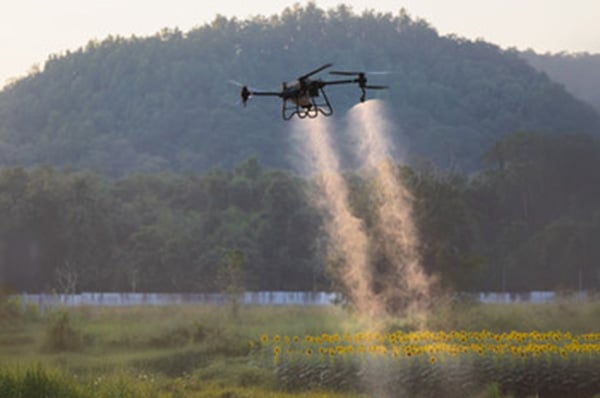
This makes regulatory knowledge, including FAA Part 107 regulations, a central part of drone education. Technologies such as Remote ID, unmanned traffic management systems, and detect-and-avoid capabilities can support expanded operations, including flights beyond visual line of sight. Yet technology alone does not make an operation safe or compliant. Learners need to understand documentation, safety procedures, operational risk, regulatory approvals, and the responsibilities of the remote pilot. As drone operations become more integrated into shared airspace, professional judgment will matter as much as technical capability. Artificial intelligence also raises the need for informed decision making. Computer vision and machine learning can review thousands of images, identify potential defects, detect objects, and flag areas of concern far faster than a person could manually. Onboard processing can even provide alerts during a flight, supporting faster responses in applications such as search and rescue, infrastructure inspection, and agriculture. However, AI is not a substitute for expertise. Lighting, shadows, unusual conditions, and other factors can cause false alarms or missed detections.
Drone education must teach learners to treat automated results as decision-support information, not unquestionable answers. Human review and professional experience remain essential for verifying findings and making reliable decisions. This principle applies to remote operations, drone-in-a-box systems, cloud-based workflows, and swarm operations. These tools can improve efficiency, reduce travel time, and allow small teams to manage missions across multiple locations. But they also introduce responsibilities involving cybersecurity, communication reliability, maintenance, data security, and organized fleet monitoring.
Preparing learners for this future means emphasizing continuous learning. Drone technology, sensors, software, and regulations change quickly. Strong programs should help learners evaluate new tools, test systems gradually, maintain standardized procedures, manage data responsibly, and keep safety at the center of every decision.
The future of drones belongs not simply to people who can fly them, but to professionals who can use technology thoughtfully, adapt to change, and maintain high standards of safety, compliance, and accountability.
Instructors of Drones, Remote Pilot, UAS (Unmanned Aerial or Aircraft System or Uncrewed Aircraft Systems), or UAV (Unmanned Aerial or Aircraft Vehicle) courses can turn to G-W's new Drone Dynamics: The Technology, Science, and Piloting of Commercial Drones for a clear, classroom-ready textbook that provides a practical foundation for commercial drone operations. Drone systems and operations are presented in a structured progression, using accessible language while maintaining technical accuracy. Whether students plan to pursue FAA Remote Pilot certification, enter a technical workforce pathway, or continue on to advanced study, this textbook establishes a strong foundation. Part 107 regulations are discussed in detail and each chapter includes FAA Part 107 Style Questions. These emphasize Part 107 readiness while relating to topics found in the chapter.
Let’s work together to build careers!
Photo Credits:
Good-Heart Willcox